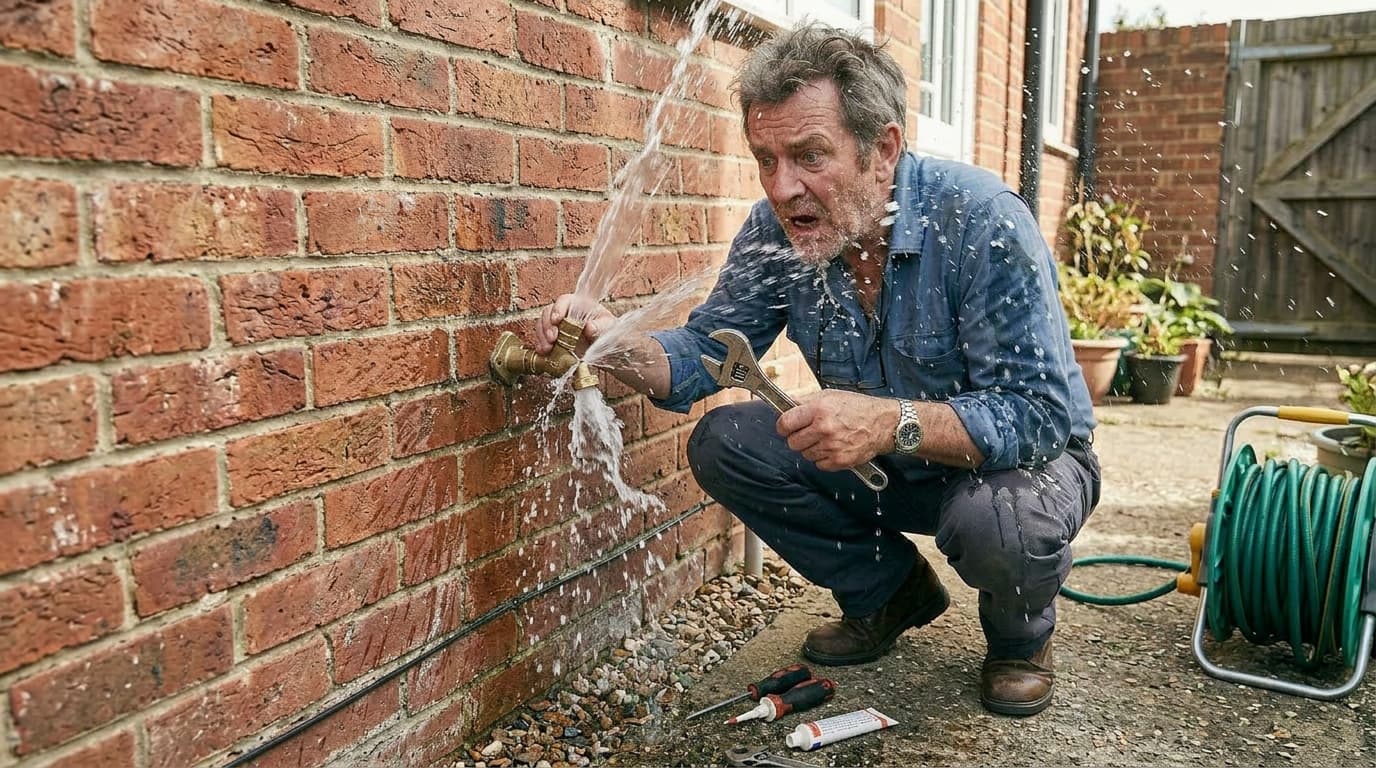
It’s one question distilled from 30 years of experience—and it tells you almost everything you need to know about whether you should be a landlord.
Why People Love Investing in Rental Properties

Being a real estate investor sounds sexy, and the benefits are unparalleled compared to most investment options. Residential rental properties in the United States have an average return rate of 10.6%. Real estate appeals to investors because of the passive income, long-term property appreciation, and tax advantages. Many investors also like the ability to borrow against property equity for tax-free cash. The popularity of vacation rental apps like Airbnb and Vrbo makes buying rental properties even more attractive.
I’ve been a real estate paralegal for over four decades, searching more than 40,000 titles — many for real estate investors. I also dabbled in real estate investment myself, and 30 years as a landlord have taught me a few things.
Paramount among all the lessons I’ve learned is one question you must ask yourself before dipping your toes into the residential real estate business. The answer determines whether you are built to be a landlord.
It’s the question that I wish someone had told me to ask myself over 30 years ago.
The Litmus Test Question

What feeling will you get when a tenant contacts you about a repair?
“Fine, it’s a risk of being a landlord, and I’m handy enough to fix most things.”
or
“My stomach drops because I can’t hammer a nail straight, and I don’t know anyone who can.”
If “fine” is your answer, move right along. You’re ready to be a rockstar landlord. However, if the question gave you pause because you’re not handy with home repairs, you need to think more seriously about what you’re getting into.
Once you acquire 8–10 rental units, you can usually hire a property manager to handle these nagging but necessary events. Until then, they’re on you.
The Struggle to Find Contractors
I have very few home-repair skills, and over my 30 years as a landlord, the most challenging issue has been finding contractors—plumbers, electricians, carpenters, painters, roofers, etc. Most contractors are busy with regular clients and have little time for small investors. My best friend, Arthur—a general contractor and licensed plumber—has probably saved me more times than I can count over the years. I always paid him, of course, but the real favor was making time for my jobs when I was in a bind.
Unfortunately, there have also been times when help wasn’t so easy to find.
For example, a tenant once called me on a Friday evening in a panic because the outside water spigot broke when she turned it on, and water was jetting out into the yard like a Disney World attraction. I probably could have turned the water off at the road, but then she would have had zero water inside or out. She wouldn’t be able to bathe, make Kool-Aid, or flush the toilet.
I had no earthly idea how to fix the spigot. In my mind, the repair involved pipe cutting and welding—neither of which is remotely in my wheelhouse.
And did I mention this was a Friday night, when almost no contractor will answer the phone? Fortunately, my nephew, a contractor, was kind enough to answer my call and handle the emergency.
I got lucky. But my stomach did drop.
If you fall into the “stomach-dropping” camp and are still determined to venture into the rental property world, do some legwork first. Your properties will need repairs, so try to line up contractors in advance. Ask neighbors on the Nextdoor app, read Facebook and Google reviews, and check out home services apps like Thumbtack, Angi, and HomeAdvisor. Pay attention to how quickly contractors respond and find one you feel comfortable with.
A reliable contractor can become almost as valuable as the property itself.
Nailing It Down

It’s much better to dip your toes into the waters before jumping into the deep end with a considerable commitment and cash investment. You may discover rental property investing isn’t your bag of chips, and sticking with a mutual fund may be best for you. Who can argue with the S&P’s 20-year average return of 10.05%, ironically, almost identical to residential rental property returns?
The real difference isn’t the return—it’s what you’re willing to deal with to earn it.

Leave a Reply